
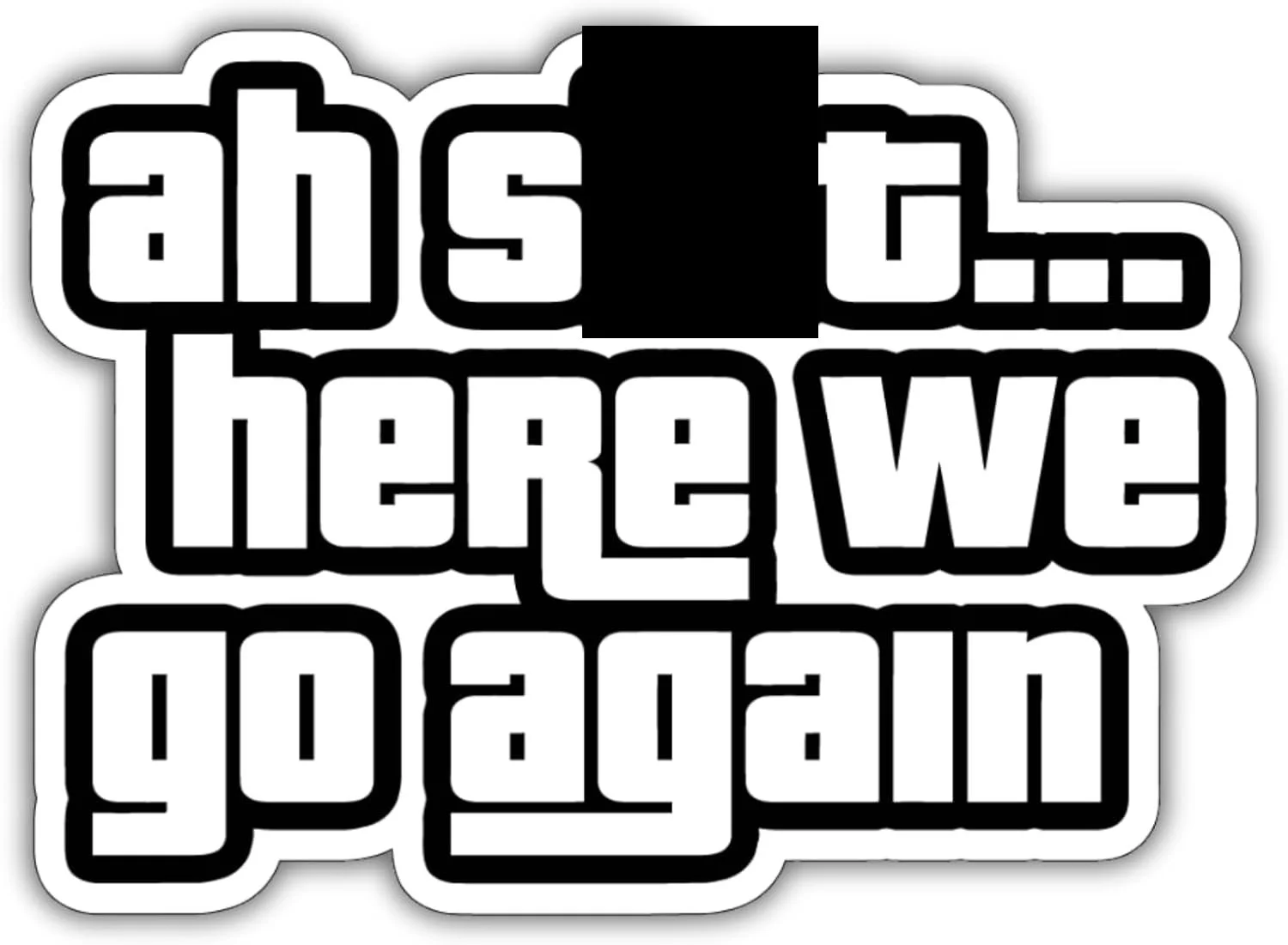
In jest, a clergy friend of mine recently gave me a sticker that says, “Ah s*^t, here we go again.” Those words have echoed through my mind as I have watched closely all the things happening in Minnesota. The murder of Alex Pretti at the hands of government officials and the blatant lack of accountability from our government officials is starting to sound too familiar. However, our African American and Native American siblings would tell you this is nothing new to them as their communities have long lived under an oppressive thumb that lacked accountability. For those who have lived under privilege, to see those who have once been protected by it now laid low can come as quite a shock. It is a sad thing that it has taken the death of white people to bring millions of protestors to the streets all over our country, but none the less, it is a good thing they have come. However, it makes me wonder, why is it that we must first experience something a little more close to home, something we can personally identify with, before we are moved to action? It seems to me, the answer lies in the fact we undervalue our connectedness.
As an American people, we have been raised to “pull yourself up by your own bootstraps.” We have been raised to value, above all, independence. We even have a national holiday called Independence Day. It is in our DNA as a nation and as individual people within that nation to be able to say we don’t need each other. However, as Christians, the message is quite the opposite. At the beginning of Jesus’ ministry, one of the first things he did was call other people alongside him to journey with him. We know them as disciples. In the formation of the early church in Acts 2, we are told they gathered together in fellowship daily, breaking bread together and sharing resources. Further along in the life of the church, we see Paul in Galatians 6 telling the church, to “Share each other’s burdens.” There is no shortage of scripture that impresses upon us the absolute importance of recognizing our connectedness. To recognize that is to affirm God’s grand design for God’s creation at the beginning of time. God created us to live in harmony together. The moment Adam and Eve sinned against God and broke that harmony, the rest of creation suffered because of it. Martin Luther King Jr. said, “Injustice anywhere is a threat to justice everywhere. We are caught in an inescapable network of mutuality, tied in a single garment of destiny. Whatever affects one directly, affects all indirectly.” As a people who follow Jesus, it should not take someone close to us or someone who looks like us to fall under the hands of injustice for us to speak out against it and stand up for what is right.
In just a few short weeks, we will find ourselves in another season of Lent. Over Lent, our sibling congregations, which include St. Paul’s Lutheran, St. Matthews AME Zion, Sewickley Presbyterian, and Little Hill United Methodist, have committed to joining together weekly. This opportunity helps to deepen the conviction within each of us that we are indeed connected to one another. You can find more details of those gatherings on page 5 of the newsletter (or here on the website). Sometimes, jumping into unknown waters with both feet can seem scary and overwhelming. You don’t have to wave a sign or show up to a protest. Just being present in the spaces that others occupy is a great way to start valuing our interconnectedness. Let’s show up for one another this Lenten Season and live beyond our own familiar experiences. In this way, “They will know we are Christians by our love.” Perhaps this will help us turn our “here we go again” into a positive thing.
From one light to another,
Pastor Hannah M. Loughman